Architectural Standards Matter: Why Gated Communities Protect Your SE Oklahoma Land Investment
Purchasing land in Southeast Oklahoma is more than a real estate transaction; it is a commitment to a lifestyle defined by the rugged beauty of the Kiamichi Mountains and the serene waters of Sardis Lake. However, for the prudent investor, the primary concern must extend beyond the initial view. You must consider the long-term viability and financial security of your asset.
In a traditional, non-gated environment, you are often at the mercy of your neighbors' whims. A lack of oversight can lead to inconsistent construction quality, unconventional land use, or aesthetic choices that clash with the natural landscape, all of which can erode your property's market value.
This is where the implementation of strict architectural standards within a gated community becomes a vital safeguard. These guidelines are not designed to stifle creativity, but rather to ensure that every home within the enclave contributes to a cohesive, luxury environment that appreciates over time.
1. Ensuring Cohesive Aesthetic and Curb Appeal
The visual harmony of a community is one of the most critical factors in maintaining high property values. When you invest in lots for sale near Sardis Lake, you are buying into a specific vision of mountain-modern or rustic-luxury living. Architectural standards provide the framework that keeps this vision intact.
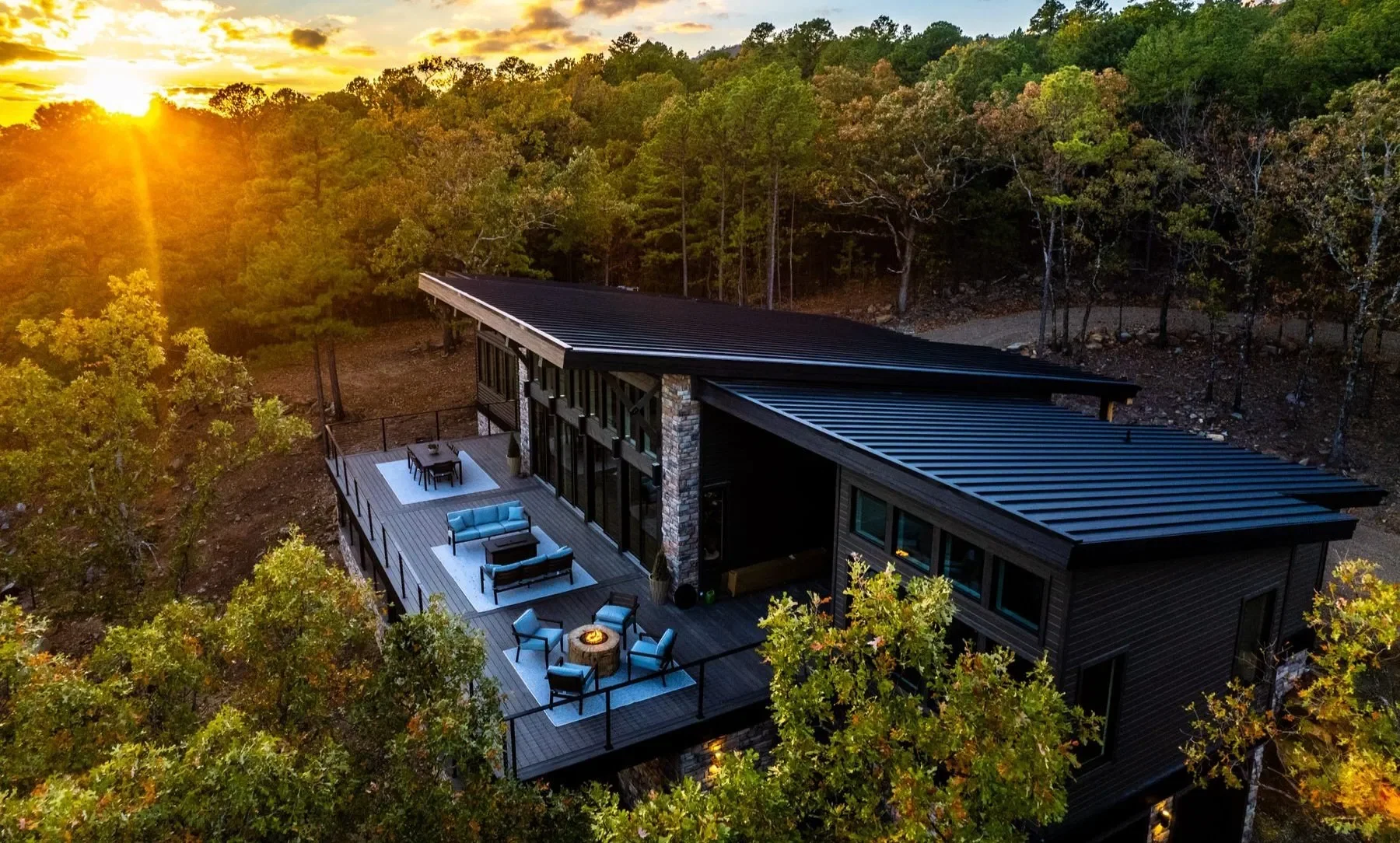
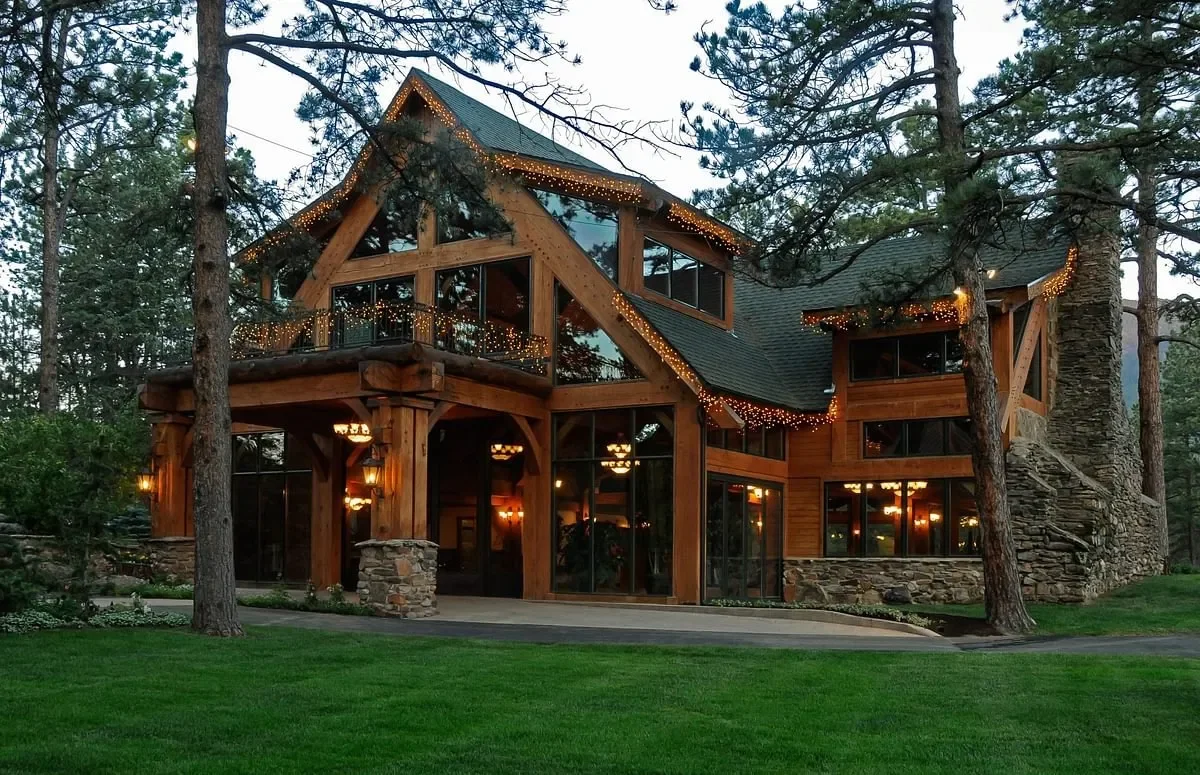
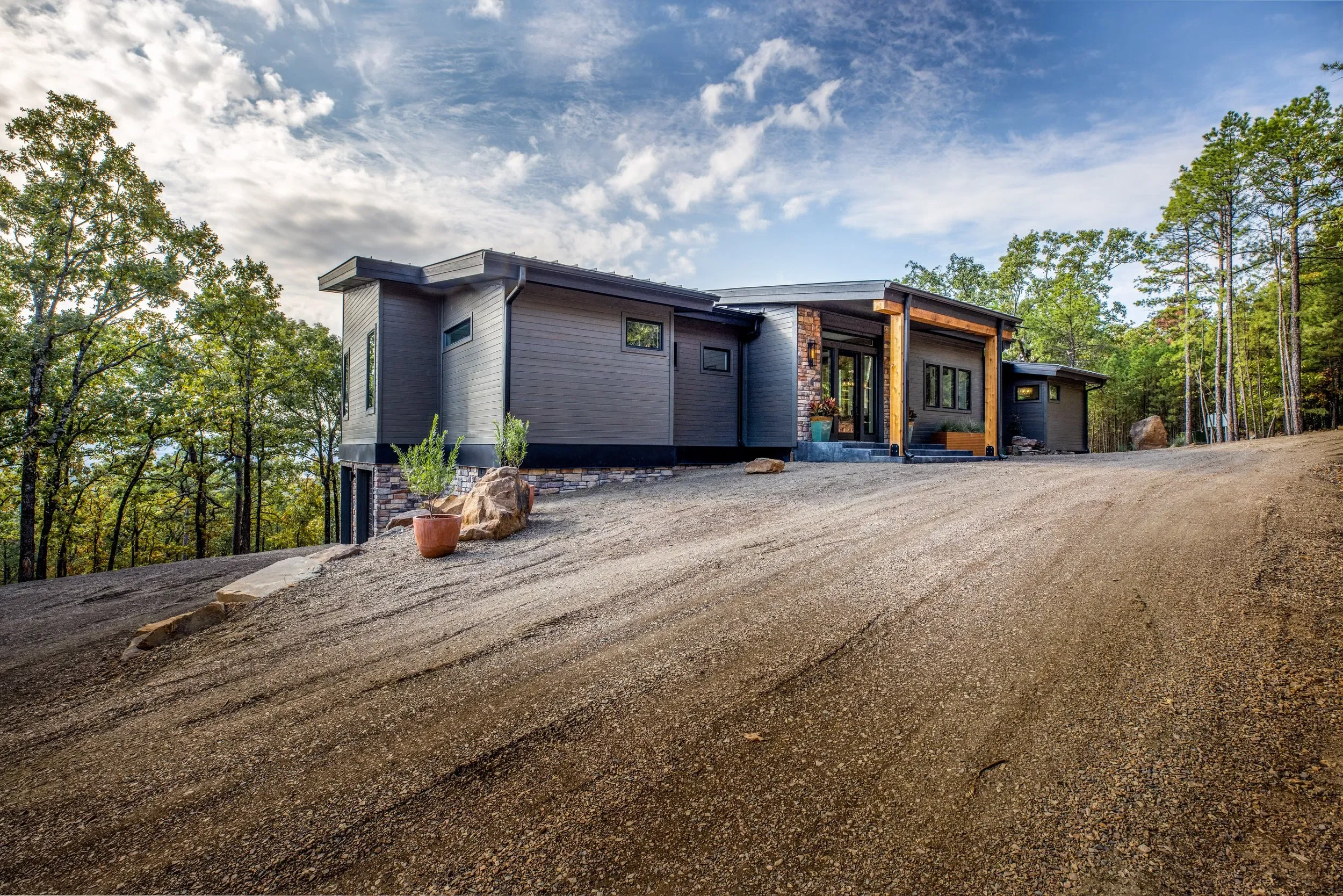
By mandating specific materials, such as natural stone, timber beams, and high-end glass, architectural guidelines prevent the introduction of subpar or "out-of-place" structures. For example, requiring a minimum square footage or specific roof pitches ensures that every residence matches the scale and sophistication of its neighbors. This consistency creates a powerful first impression for future buyers, cementing the community's reputation as an exclusive destination rather than a patchwork of mismatched cabins.
2. Protecting Your Equity from Neighborhood "Noise"
Real estate value is highly susceptible to external influences, often referred to as "neighborhood noise." In an unregulated area, a neighboring lot owner might decide to park heavy machinery indefinitely, build a structure using low-quality materials, or neglect the natural topography of the land. These actions create a negative "spillover effect" that can diminish the appraisal value of your own home.
In a gated community like Timber Ridge Estates, the architectural committee acts as a shield against these risks. Standards typically cover everything from the orientation of the home to the concealment of utility boxes and the preservation of mature trees. This level of detail is essential for risk mitigation. By ensuring that every build adheres to a high standard, the community eliminates the uncertainty that often plagues rural land investments.
3. The Balance of Flexibility: The "Bring Your Own Builder" Advantage
One common misconception is that architectural standards result in "cookie-cutter" homes. On the contrary, at Timber Ridge Estates, the focus is on "Mountain Modern" and "Luxury Cottage" aesthetics that allow for immense individual expression.
The critical factor is the "bring your own builder" policy, which offers you the flexibility to work with a team that understands your unique vision.
This flexibility is a prudent approach to land ownership, as it allows you to move at your own pace without a forced construction timeline. However, because these builders must still adhere to the established architectural standards, you have the peace of mind knowing that while your home is custom, it will always be surrounded by other homes of equal or greater quality. This prevents "value dilution," a common issue in developments where builders are allowed to cut corners to increase their own margins.
4. Understanding Deed Restrictions and Encumbrances
When evaluating a land investment, it is critical to look beyond the surface level of the soil and trees. You must perform due diligence on the title deed and any associated encumbrances. Architectural standards are legally tied to the land through Covenants, Conditions, and Restrictions (CC&Rs).
While some may view CC&Rs as restrictive, the sophisticated investor recognizes them as a form of insurance. These legal documents ensure that the "rules of the game" do not change. For instance, they might prevent a lot from being subdivided or specify the type of fencing allowed, ensuring that the 2–8 acre lots remain spacious and private. Understanding these restrictions is a vital step in avoiding common land-buying mistakes.
5. Integrating with the Natural Topography
Luxury real estate in Southeast Oklahoma is defined by its relationship with the land. Architectural standards often dictate how a home must be situated to respect the natural topography and drainage patterns. This is not merely an aesthetic choice; it is a practical one.
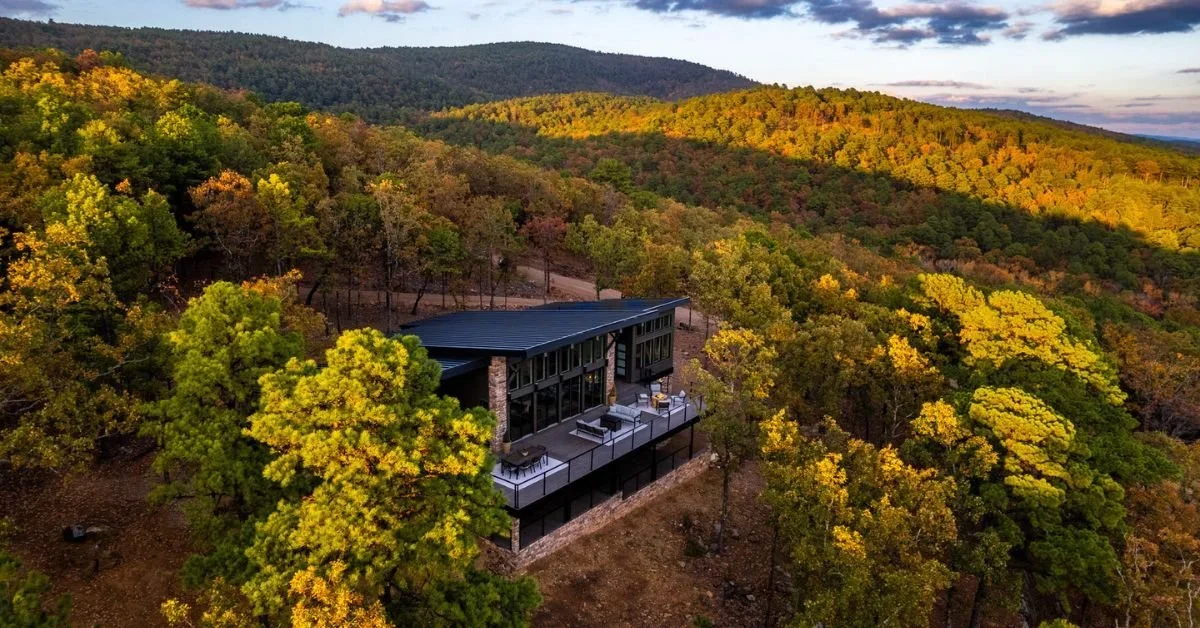
Properly integrated homes prevent erosion and manage runoff, protecting the long-term integrity of the community's infrastructure and individual building sites. For example, guidelines might require a specific gravel driveway composition or limit the amount of clear-cutting allowed on a lot. These measures preserve the dense forest canopy and rock outcrops that make the area so desirable. By protecting the environment, the standards protect the very thing that gives the land its value: its pristine, secluded nature.
6. Long-Term Resale Value and Market Resilience
Data consistently shows that homes within gated communities with active architectural oversight maintain their value better during market downturns than those in unregulated areas. The exclusivity and high standard of maintenance create a "floor" for property values.
When it comes time to sell your retreat, potential buyers from major hubs like Dallas-Fort Worth or Oklahoma City are looking for a turnkey luxury experience. They want the assurance that their investment will be surrounded by a community that shares their values of privacy, quality, and natural beauty. Architectural standards serve as a "seal of quality" that simplifies the resale process and justifies a premium price point.
7. Essential Due Diligence Checklist for Land Buyers
Before finalizing your purchase, it is prudent to review several technical aspects of the land and the community standards:
Zoning and Land Use: Confirm the land is zoned for residential luxury use and check for any nearby industrial or commercial zoning that could impact future tranquility.
Architectural Review Process: Understand the steps required to get a design approved. A clear, professional process is a sign of a well-managed community.
Infrastructure and Utilities: Ensure the community provides high-quality road access and utility connections that meet modern luxury standards.
Topography Analysis: Evaluate how the slope and soil composition of the lot will interact with the community’s building requirements.
Conclusion: A Prudent Path to Your Dream Retreat
Investing in land is a significant milestone, and like any significant investment, it requires a balance of passion and practicality. While the beauty of the Sardis Lake area may draw you in, it is the structure and oversight of a gated community that will protect your interests for years to come.
Architectural standards are the invisible foundation of a high-end community. They ensure that your neighbors' choices will never negatively impact your home’s value, and they provide a roadmap for creating a legacy property that stands the test of time.
By choosing a community that values these standards, you are making a critical decision to prioritize long-term equity and aesthetic excellence.
If you are ready to explore how Timber Ridge Estates combines total building flexibility with the protection of high-end standards, we invite you to view our available properties or contact our team for a private tour. Being well-informed is the first step toward a successful investment; let us help you find the perfect canvas for your Oklahoma retreat.